Design Tech Specialization
Problem Statement
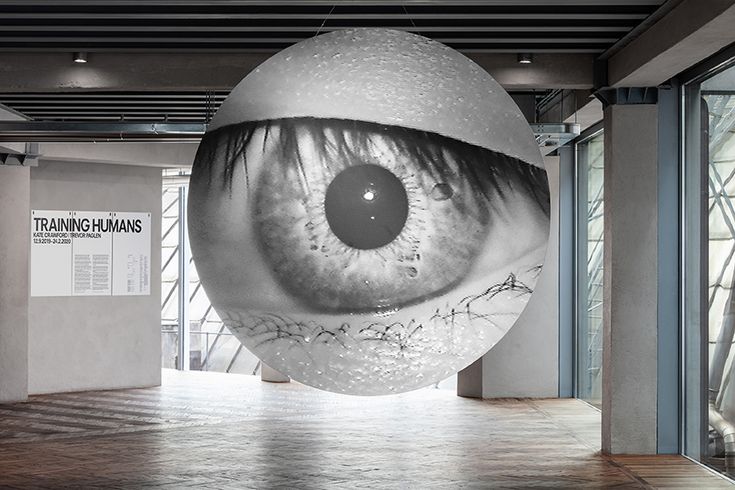
Artificial intelligence has become an omnipresent phenomenon, widely adopted and seamlessly integrated into daily life. Yet the internal logic of models often remains unseen. Public attention fixates on intelligence and efficiency, while few recognize what it means to become a data point under machine analysis.
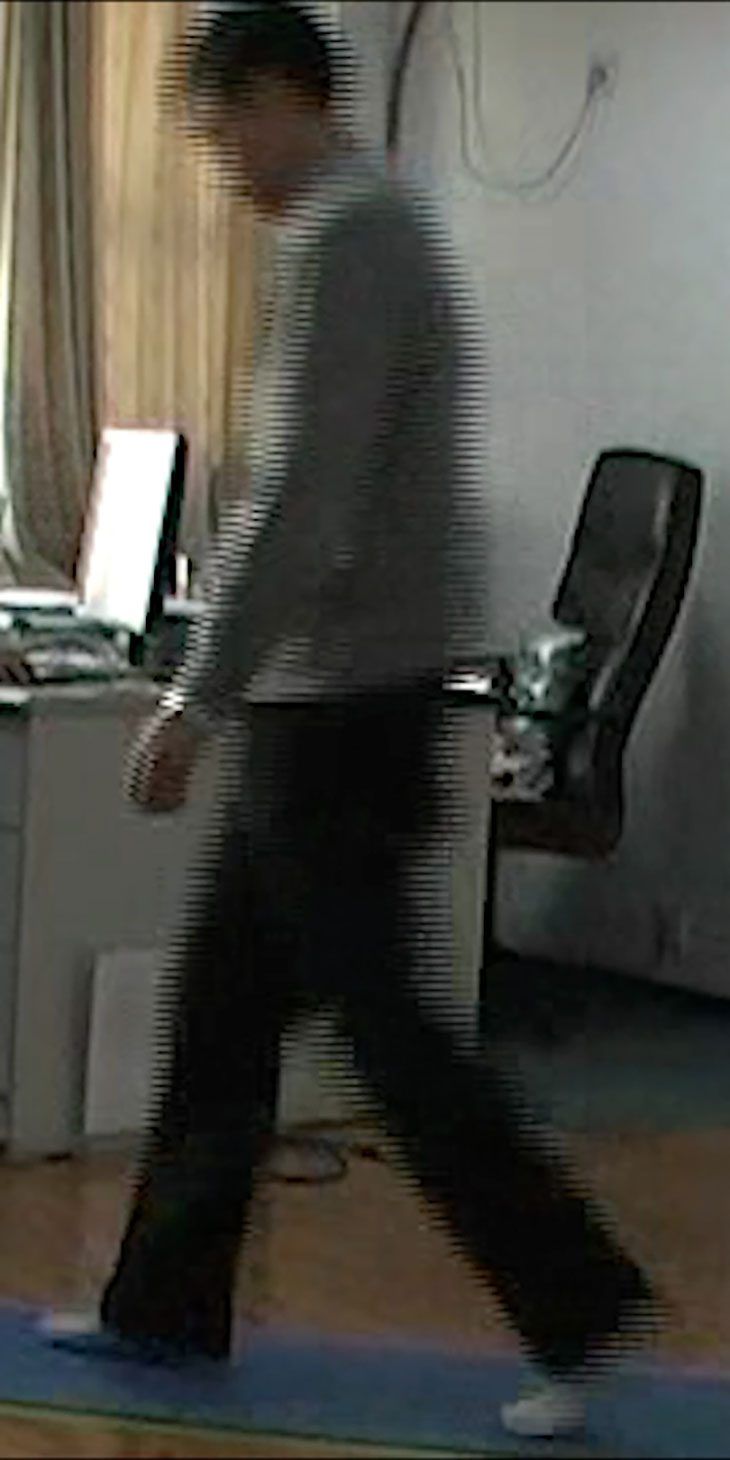
This project investigates how human identity is transformed inside data-driven models. During dataset construction, individual images are abstracted into labels such as "Asian" / "female" / "smiling" / "tilted gaze" . Through categorization, subjectivity is deconstructed, fragmented, and redefined by algorithms.
Project Description
How do emotion and perception shift when human subjectivity is transformed into machine-readable fragments ?
We aim to design an experiential interface that physicalizes the invisible processes of algorithmic analysis— making visible what is usually hidden behind AI models. The work explores how categorization and abstraction can become tangible and interactive, inviting people to encounter and reflect on identity's transformation through computational logic.
Our goal is an interdisciplinary environment where technical reasoning and artistic imagination converge— allowing audiences to perceive, question, and emotionally engage with the ways machines perceive humanity.
By revealing hidden mechanisms, we reflect on how it feels when identity is reduced to fragments, and how a sense of subjectivity might be reclaimed in a world increasingly shaped by data and measurement.
Accessibility is crucial. The project addresses both viewers familiar with AI and those arriving through artistic or sensory perspectives. User interpretability is essential: through layered explanations—visual, textual, and experiential— we bridge the gap between technical understanding and artistic abstraction.
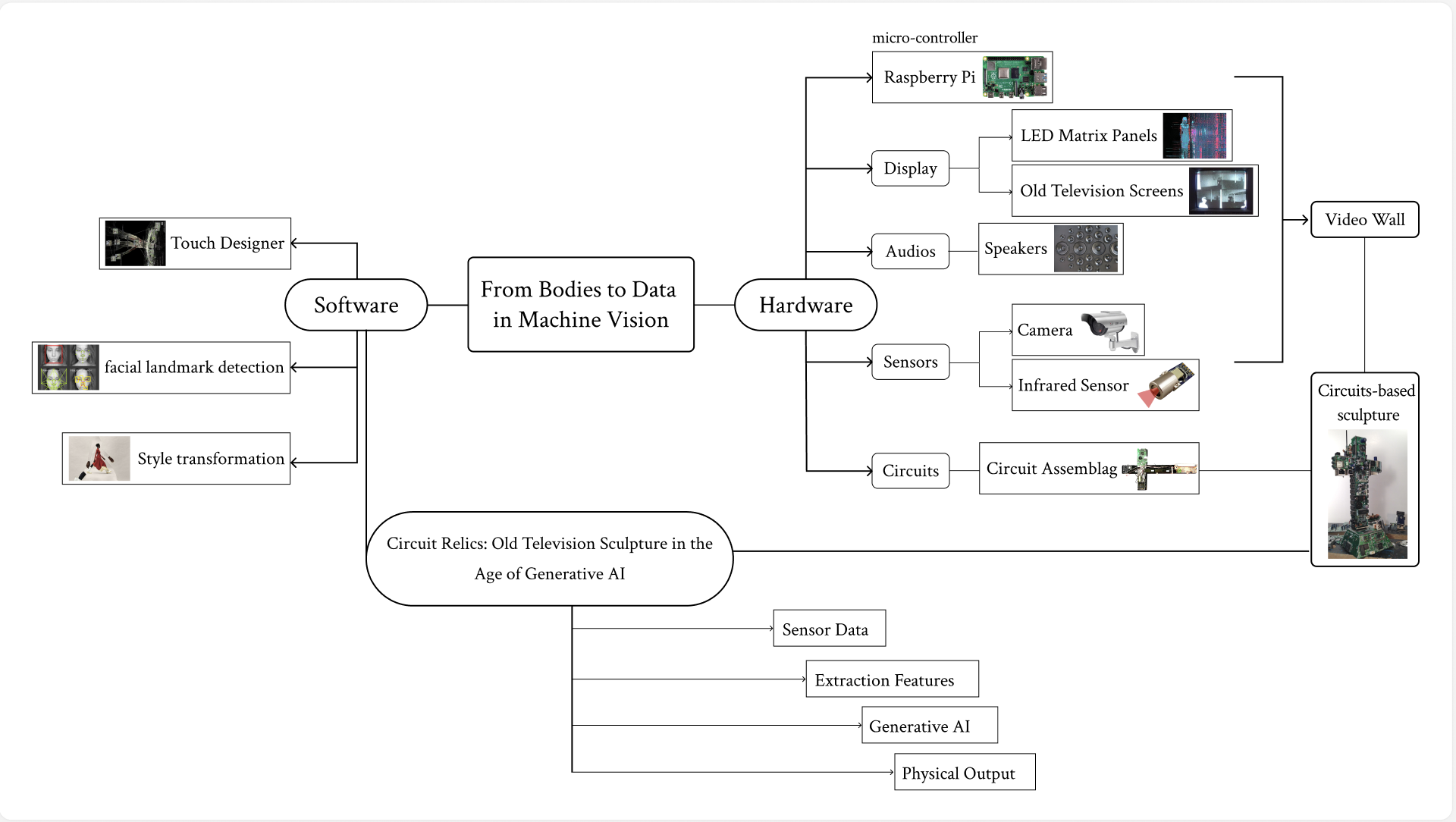
Forking Paths – possible project diagram
The map on the right forks into Software and Hardware trunks: TouchDesigner, facial-landmark detection, style transformation route signals into Raspberry Pi with LED matrices / old television screens, speakers, cameras, IR sensors and a circuit assemblage.
Pipeline: sensor data → feature extraction → generative AI → physical output, culminating in a video wall and a circuits-based sculpture. This diagram is the navigation key for future prototypes.
Similar Artworks
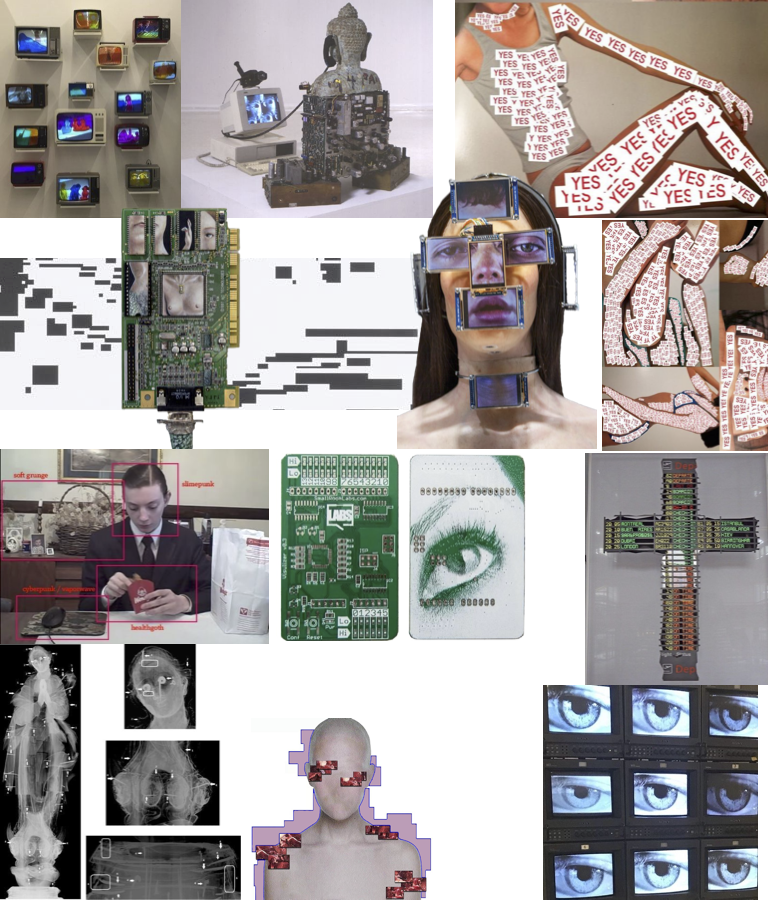
Adam Harvey — CV Dazzle
Nam June Paik — TV Buddha (installation series)
Nota Bene — In order to control
Paolo Cirio — Capture
Rafael Lozano-Hemmer — Zoom Pavilion
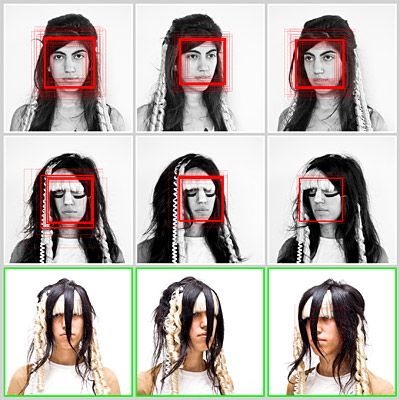
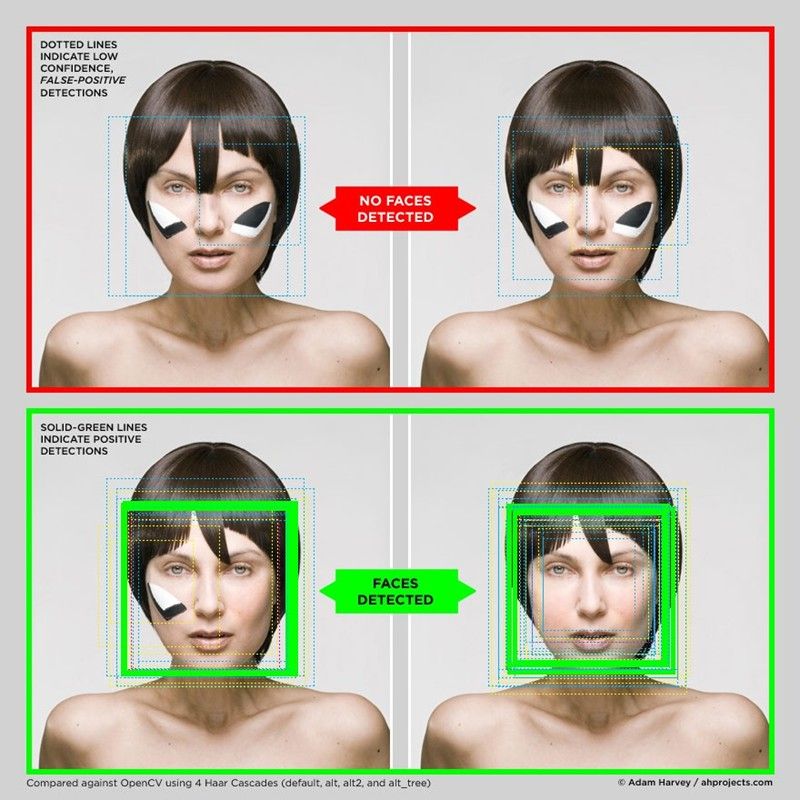
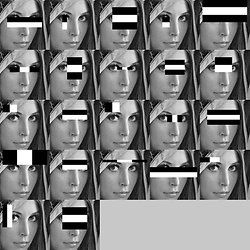
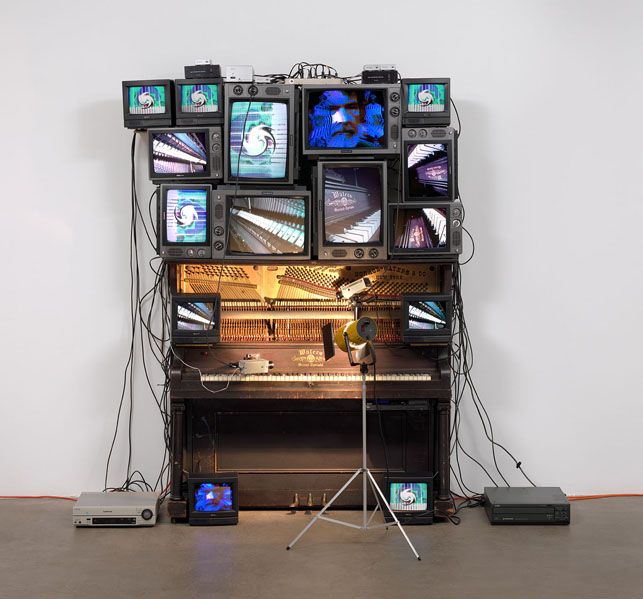
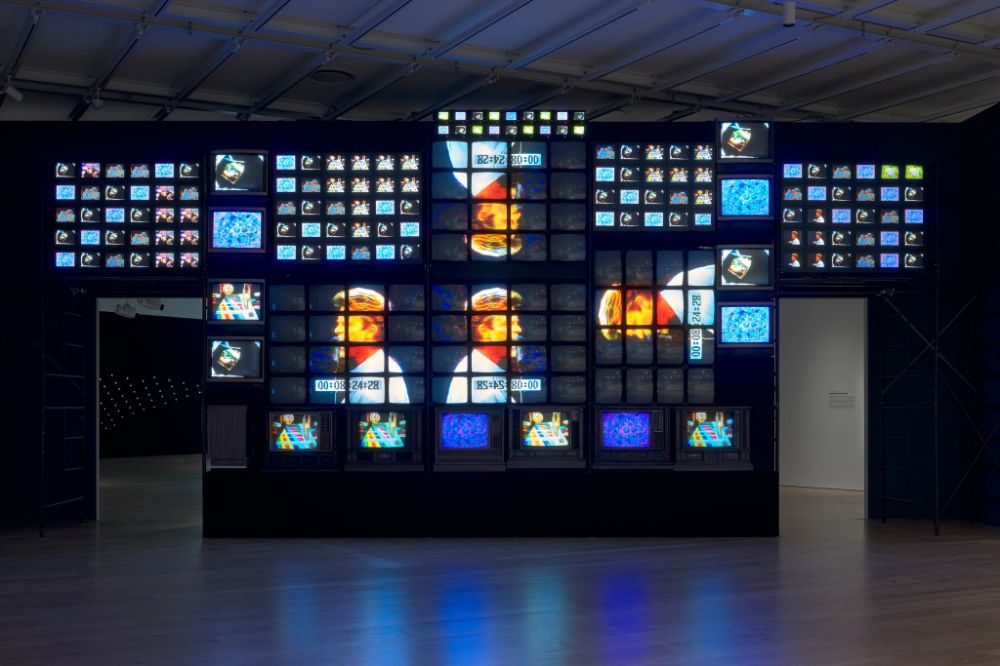
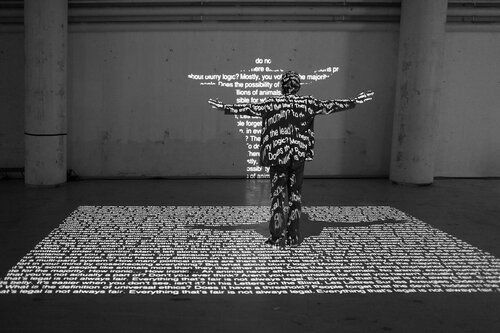
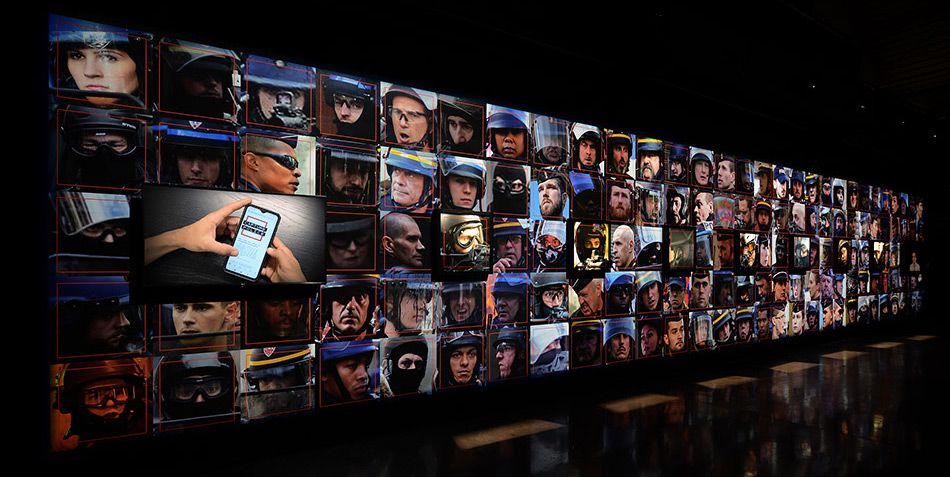


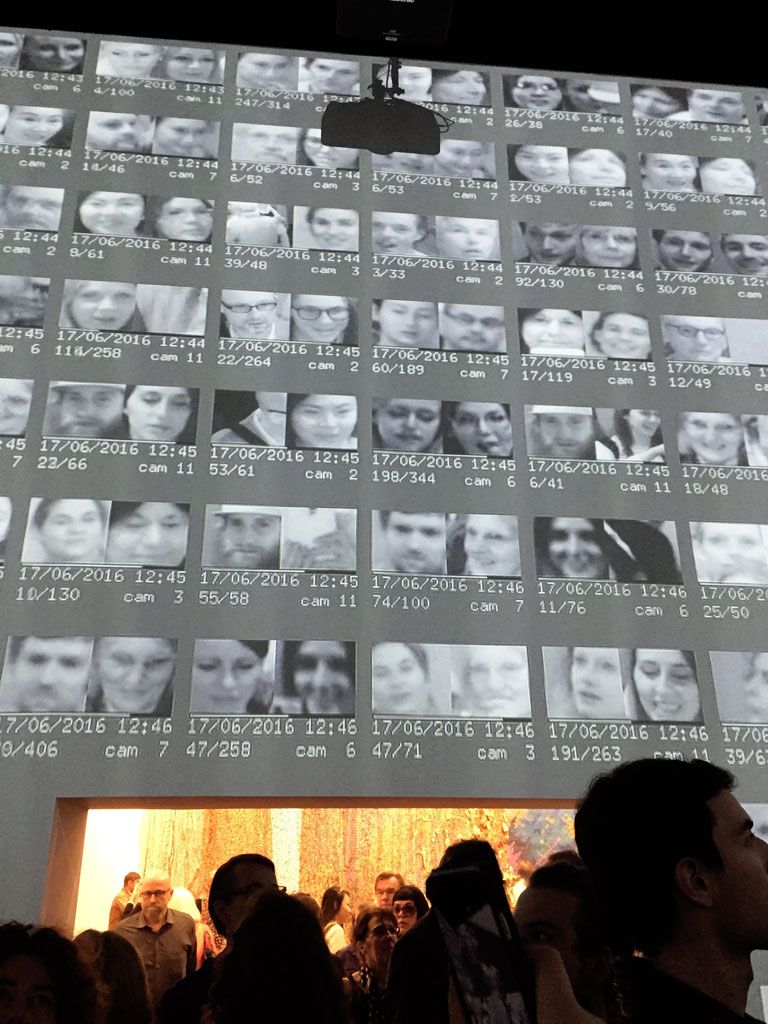

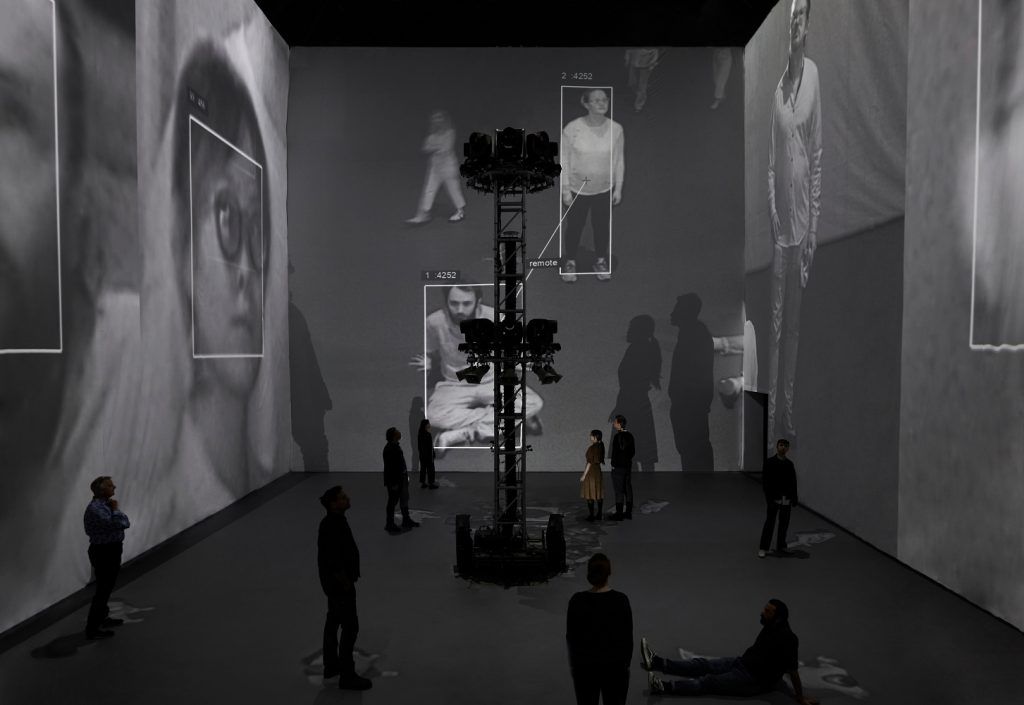
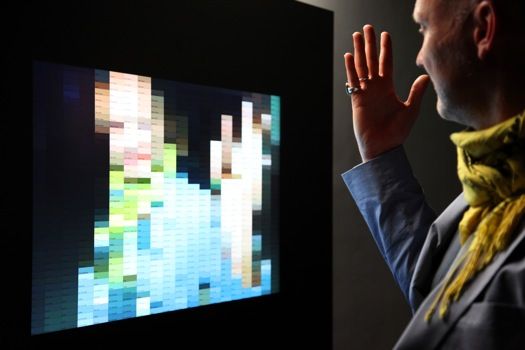

Beyond a materialist analysis of AI’s infrastructure, we can consider dataset creation and model training as defining a specific ontology — registering and rendering visible an inventory of phenomena within a specific algorithmic system.
Such ontologies are explicitly shaped at the moment of labeling data, and should be understood as the result of a soft infrastructure established through the gaze of the labeling agent.
The process of creating a dataset is less about collecting neutral information and more about constructing a worldview. Each dataset defines what is visible and meaningful within the machine’s perception. Human subjectivity is embedded in every stage of labeling, and AI’s so-called objectivity is built upon cultural and social decisions.
By physicalizing the labeling process, we aim for audiences to sense how human identities are dissected, categorized, and reconstructed through algorithmic logic— transforming invisible mechanisms of classification into a tangible experience.
Radical Prototype
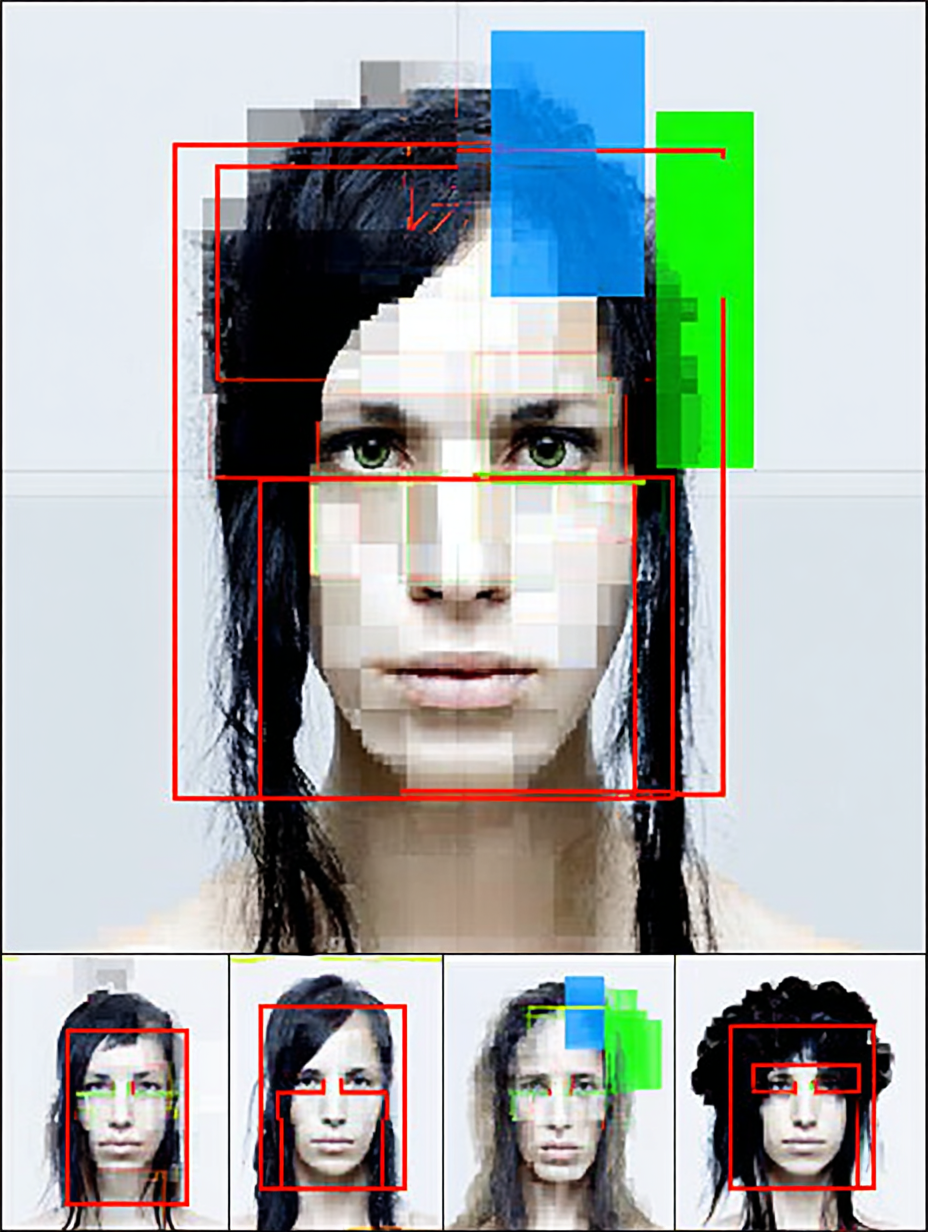
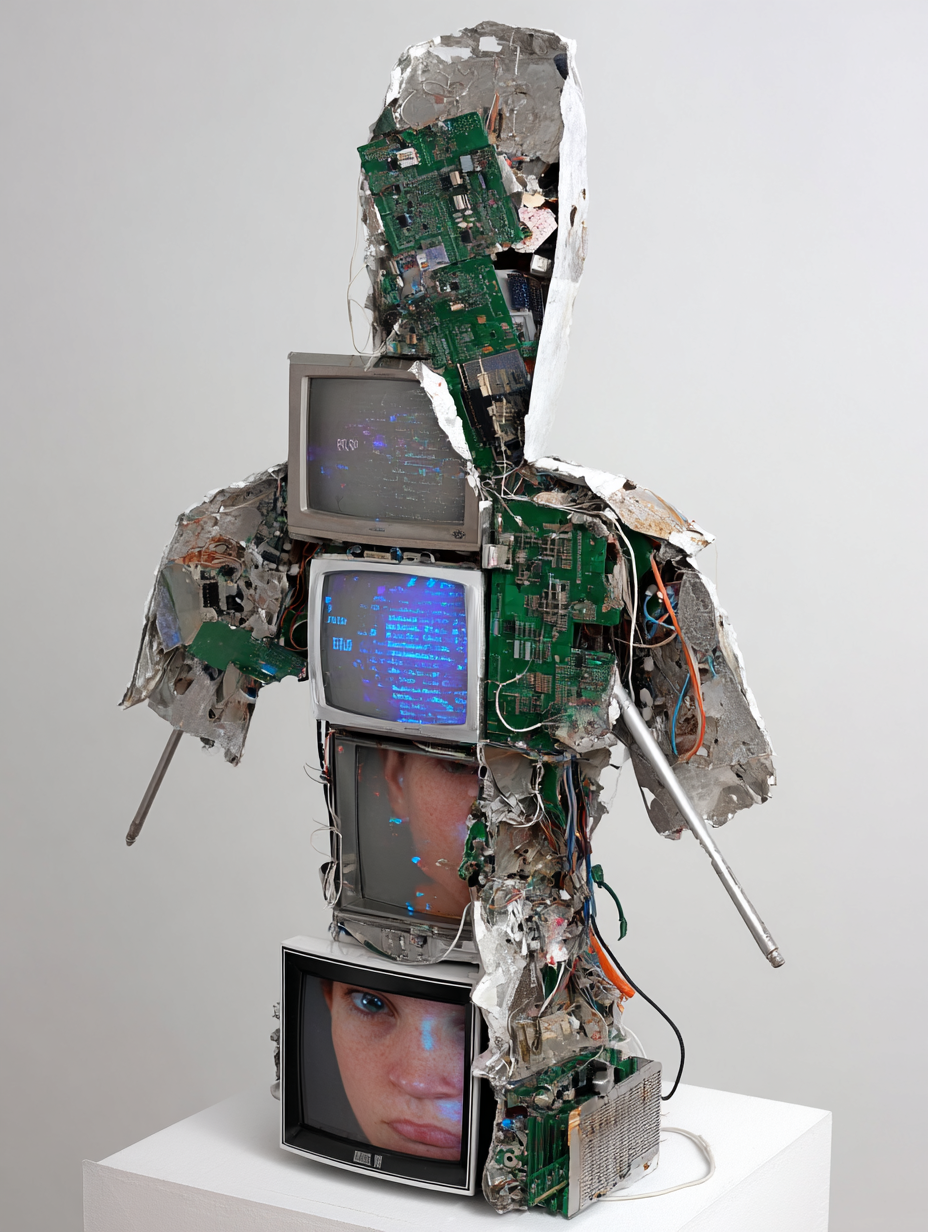
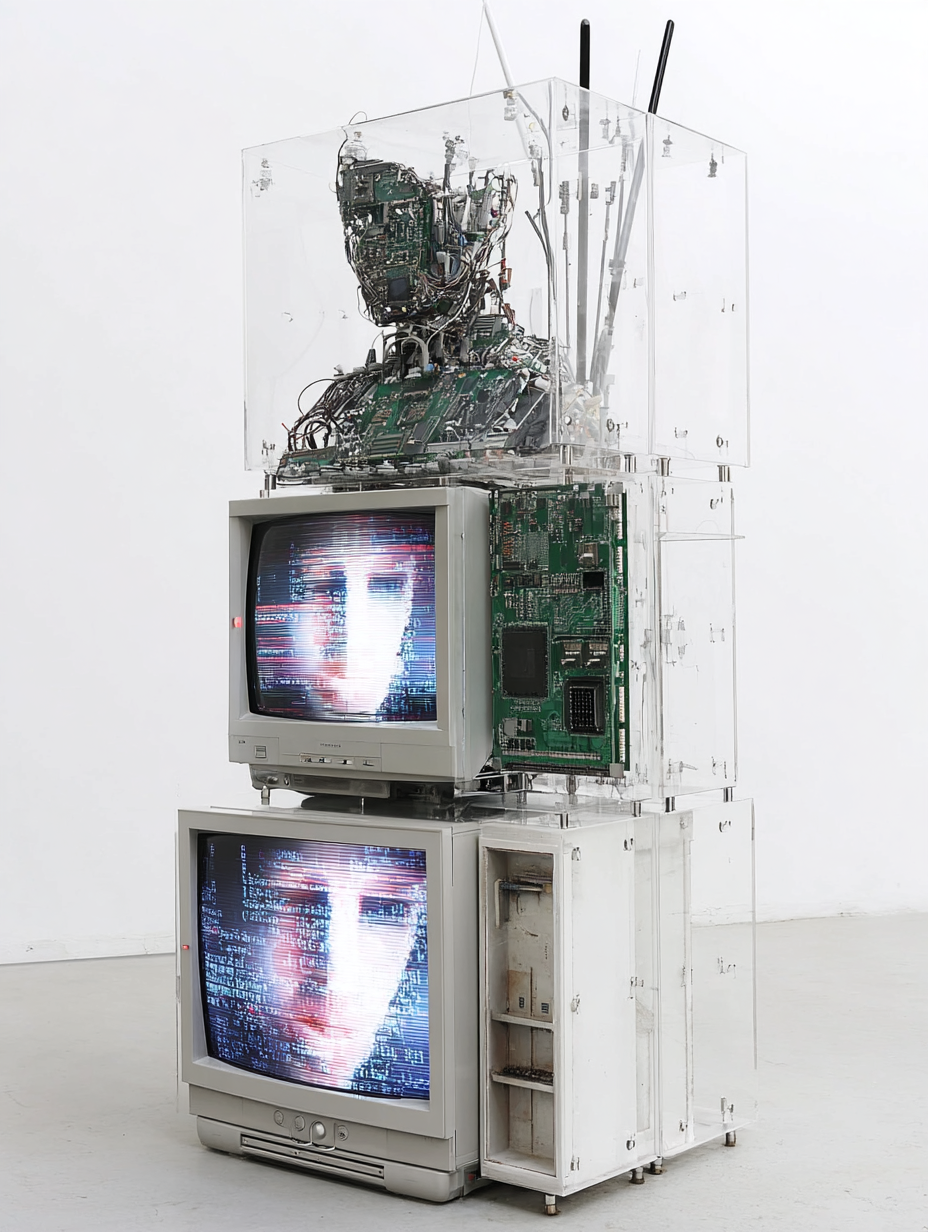
Reflections on barriers to entry
1. Technical Barriers
As an installation,
the project requires a large physical setup
with circuits,
cameras,
sensors,
displays.
The challenge lies in balancing aesthetics with engineering:
how to maintain a visually coherent and engaging form while ensuring
all circuits are reliably connected
and each component functions properly.
2. Data Barriers
The project depends on extracting data directly from participants
(images,
speech,
gestures).
This raises the question of user willingness:
will audiences consent to having their identity
abstracted,
tokenized, or
classified?
Without voluntary participation, the interactive dimension of the work cannot unfold.
3. Conceptual Barriers
Communicating the main ideas and processes of the project is itself a challenge.
Many visitors may not be familiar with
AI algorithms or the artistic strategies of
abstraction and
physicalization.
We must design explanatory layers — visual, textual, or experiential —
that make the project accessible without oversimplifying its critical intentions.